Dog vet anxiety relief rarely comes from one trick used at the last minute. It develops through small experiences that teach your dog what safety feels like. A calm approach starts by noticing when tension first appears. For some dogs, stress begins with the travel crate or harness. Others react when the car turns toward the clinic. Those early moments offer useful chances to slow down. You can build comfort through repetition, choices, and manageable exposure. The process works best when your dog stays under their emotional threshold. Small wins matter because they create confidence for the next step. A reliable routine can make appointments feel less unpredictable.
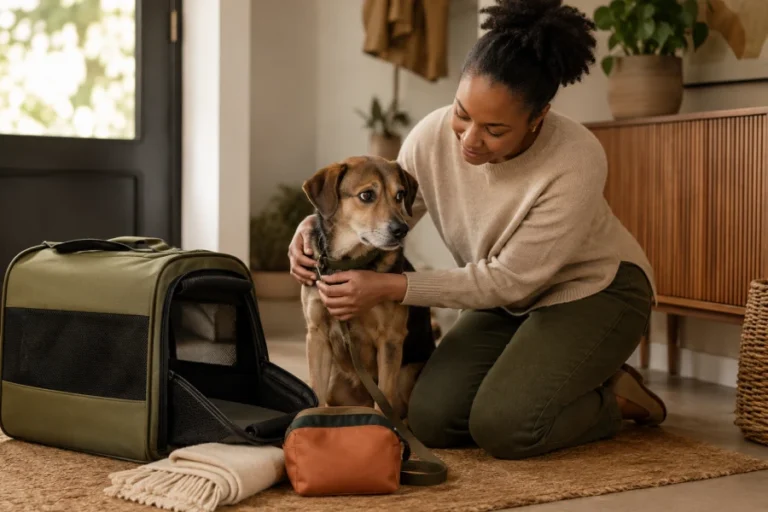
Every dog arrives at the clinic carrying the emotional tone of their day. A busy morning can leave them more reactive before the car even moves. Keep food, walks, and rest as familiar as possible beforehand. This is where travel calmness for dogs becomes an important part of planning. Give your dog time to sniff outside before loading up. Avoid rushing them away from a preferred resting spot. Bring water when travel or weather makes that helpful. Use equipment that fits comfortably and does not create extra discomfort. Familiar routines reduce the number of changes your dog must process. A stable baseline makes every later coping skill more effective.
Practice does not need to look like formal training. It can be a two-minute exercise beside the car. Open the door, toss a treat inside, and allow your dog to decide. Repeat that process on days when no appointment is planned. A thoughtful pre-visit relaxation plan gives your dog many small successes. Stop while they are still comfortable and curious. Next time, add a short ride or a quiet stop nearby. Let progress be uneven without treating it as failure. Rehearsal helps your dog predict the sequence. Predictability lowers the emotional cost of future clinic visits.
Dogs often cope better when they can make simple choices. They may prefer standing rather than sitting beside you. They might settle farther from the entrance or face away from other animals. Give them that space whenever safety allows. Distance is not avoidance when it prevents overwhelm. It is a practical way to protect learning. Offer a treat trail toward something difficult instead of pulling. Let your dog pause before crossing a threshold. Choice tells them that communication still matters. That sense of agency can soften a stressful environment.
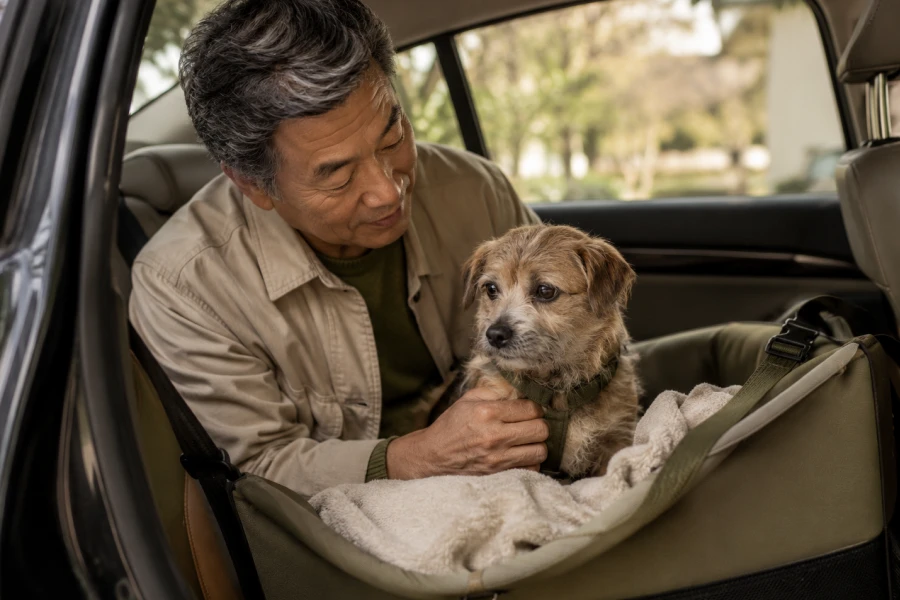
Car rides can become loaded with anticipation when they always end at the clinic. Mix in short, pleasant rides to familiar places. Visit a quiet street, a grassy area, or a trusted friend. Keep the ride smooth and avoid abrupt changes when possible. Use low-stress veterinary care principles before you even reach the building. Maintain comfortable temperature and secure footing inside the vehicle. Speak normally instead of repeatedly checking whether your dog is okay. Your steady behavior can signal that the situation remains manageable. Practice rides broaden your dog’s association with the car. The vehicle becomes less likely to predict one difficult destination.
Once you arrive, ask for the quietest available option. Some clinics can call you directly into an exam room. Others allow curbside waiting when rooms are not ready. Keep your dog’s focus on simple comfort rather than social interaction. A lickable treat, familiar mat, or calm sniffing can help. Use calming enrichment activities only when your dog can participate willingly. Do not insist when their appetite disappears. Share your dog’s known triggers with the veterinary staff early. Good teams can adapt handling, spacing, and timing. Clear communication creates a more humane appointment experience.
Do not wait until your dog panics before changing the plan. Pushing through intense fear can make the next visit harder. Avoid scolding, leash corrections, or forced greetings. Skip crowded waiting areas whenever another option exists. Be careful with well-meaning strangers who reach toward your dog. Encourage people to give space rather than ask for interaction. Keep your own movements slow and deliberate. A hard day calls for less demand, not more. The goal is protecting trust while still supporting necessary care. Compassion often produces better long-term cooperation than urgency.
Finish the appointment with something familiar and low-pressure. Let your dog decompress in a quiet area before heading home. Offer water, a brief sniff walk, or rest in their preferred place. Avoid scheduling busy activities immediately afterward. Make a note about the parts that felt easier. Also record the moments that changed your dog’s body language. Bring those observations to the next appointment. Your veterinarian may suggest behavior support or medical options when needed. Improvement often comes from adjusting several small details. Each thoughtful visit can make the next one feel more possible.

Leave a comment