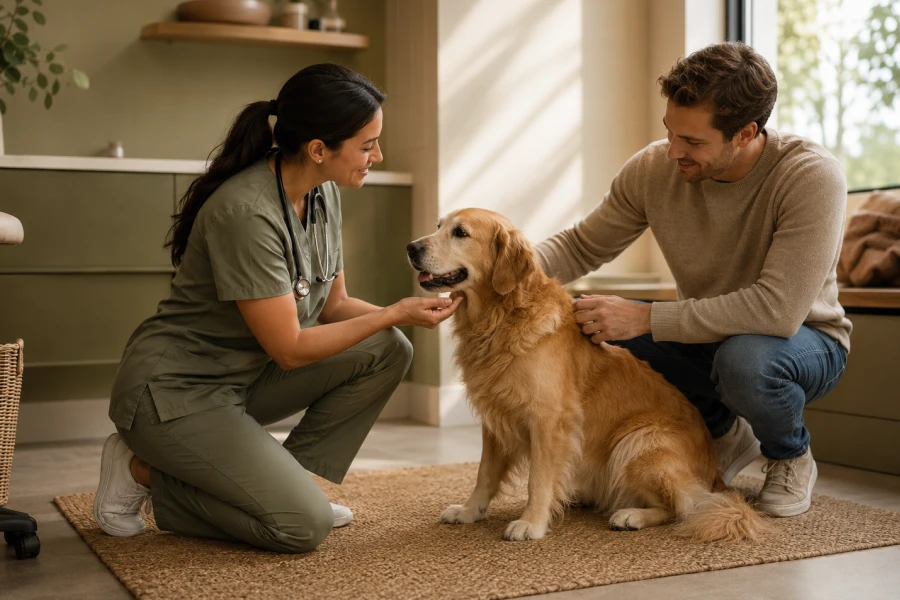
A stress free vet visit for dogs begins with a plan that respects their senses. Dogs do not separate the appointment from the journey leading there. They notice changes in your schedule, your body language, and the objects you gather. That is why last-minute reassurance often has limited impact. Better results come from preparing familiar steps in advance. A calmer morning gives your dog more room to cope. You do not need to eliminate every concern or unfamiliar sound. You only need to reduce unnecessary pressure. The goal is a visit your dog can recover from quickly. Over time, that approach can improve cooperation and trust.
Start by identifying the earliest sign that your dog feels concerned. It may be a pause at the door, a change in breathing, or sudden restlessness. Those details reveal where the plan needs support. A clear veterinary appointment strategy focuses on the full experience rather than the exam alone. Choose an appointment time that avoids your dog’s busiest routine. Pack familiar items the evening before. Confirm whether the clinic offers quieter arrival options. Keep your departure pattern simple and predictable. Preparation gives you more attention for your dog. That attention helps you respond before tension becomes intense.
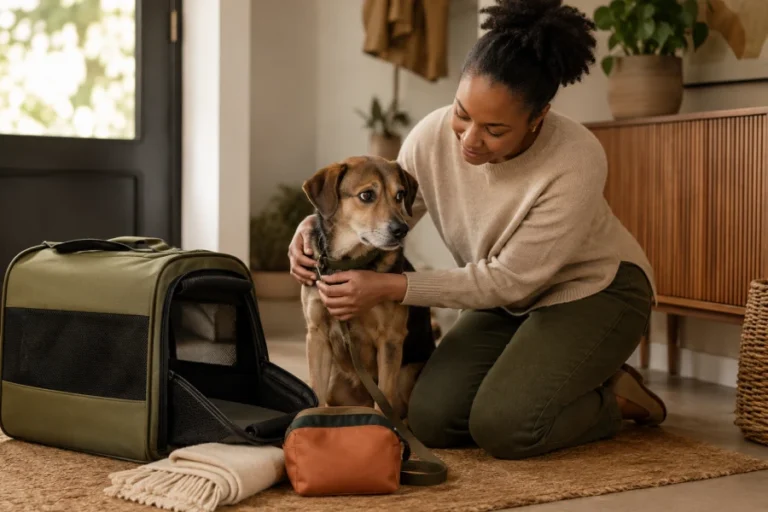
Sensory details can either support calm or add to overload. Bring a mat, blanket, or towel your dog already enjoys at home. Familiar scent can create a small island of comfort. Avoid introducing a new toy or treat only for the appointment. New items may be less useful when your dog feels uncertain. Use the same calm handling sequence before everyday outings. Consistency builds dog handling confidence for both of you. Your dog learns what gentle guidance feels like. You learn which signals suggest they need more room. Those shared habits can travel with you into the clinic.
Many dogs become uneasy before reaching the veterinary building. The car may predict nausea, confinement, or a difficult destination. Improve that association with short rides that end somewhere neutral. Keep the vehicle cool, secure, and free from sliding surfaces. A stable resting space can reduce unnecessary movement. Use a comforting crate routine when your dog already finds the crate reassuring. Never introduce it as a sudden restriction before a stressful trip. Offer time to enter willingly when possible. Stop for a quiet sniff break if travel takes longer. A smoother ride preserves energy for the visit itself.
Progress does not require your dog to love every part of the clinic. It can begin with walking near the entrance calmly. Another day, the goal may be entering briefly and leaving. Build the plan in small pieces your dog can tolerate. Reward recovery, curiosity, and soft body language. Avoid measuring success only by perfect obedience. A dog who looks away or takes a breath may be working hard. Give them time to process before asking for another step. Small repetitions create practical skills. Those skills are more durable than one overwhelming exposure. Gradual learning often feels slower, but it protects trust.
Some visits will still feel difficult despite careful preparation. Your dog may have pain, fatigue, or an especially busy day. That does not erase the work you have done. Speak openly with the team about what your dog can manage. Ask whether the exam can be adjusted or divided when appropriate. A flexible plan often supports better care. Your veterinarian may recommend medication for specific situations. Only use options that the veterinary team has discussed with you. Respect your dog’s limits without abandoning needed health care. The aim is humane cooperation, not a flawless performance.
The emotional impact of an appointment does not end at the exit. Give your dog time to settle before returning to normal demands. Keep the next hours quiet, especially after a long or invasive visit. Offer a familiar meal if the clinic allows it. Notice whether your dog seeks sleep, space, or gentle company. Avoid turning the trip home into another errand-filled outing. A peaceful recovery teaches your dog that difficult moments have an end. It also helps you see what they needed most. Those observations guide future planning. Repeated recovery routines can make vet days feel less disruptive.
Trust grows when your dog learns that you notice their discomfort. It grows when you pause before pressure becomes panic. It grows when each visit includes familiar support. Keep a simple record of travel, waiting, handling, and recovery. Review it before your next appointment. Share useful patterns with the clinic staff. Make changes one or two at a time. The most effective plans are usually realistic enough to repeat. A thoughtful anxiety-aware dog care approach protects both health and relationship. Your dog does not need to be fearless to feel safer.

Leave a comment