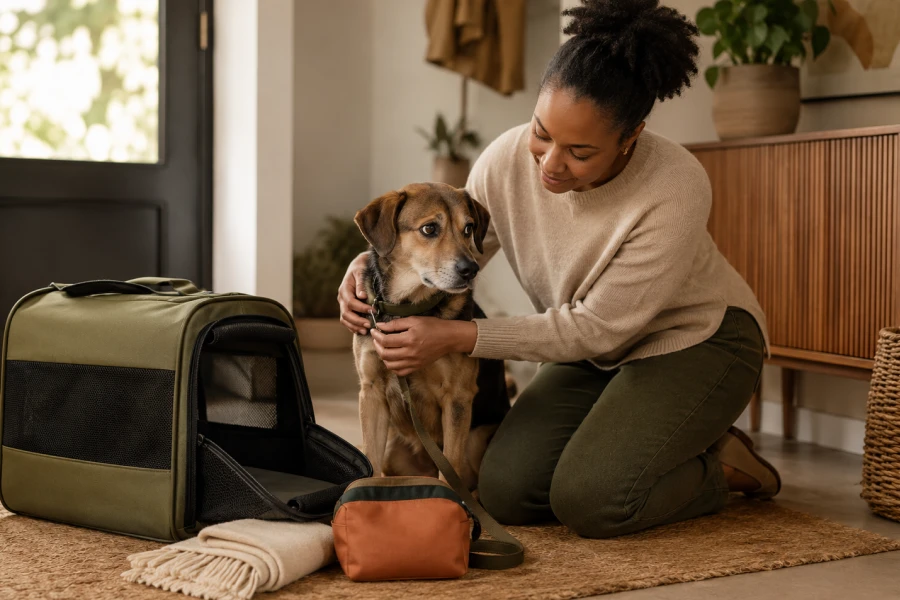
Learning how to calm dog before vet appointment begins well before the appointment reminder appears. Most dogs react to a chain of cues, not one frightening event. The leash, carrier, car route, and unfamiliar odors can stack pressure quickly. That buildup makes even friendly handling feel harder than usual. Calm comes from predictability, gentle rehearsal, and permission to move slowly. Your goal is not perfect cheerfulness or complete silence. It is helping your dog feel understood at every transition. Small choices at home create a steadier emotional starting point. With thoughtful pacing, the visit becomes manageable instead of overwhelming. That shift benefits your dog, the clinic team, and your own confidence.
Start by protecting the hours before you leave. Skip rushed errands, crowded parks, and unfamiliar guests whenever possible. Offer a normal meal unless the clinic gives fasting instructions. Keep your voice low and your movements unhurried. A thoughtful vet visit preparation routine should feel similar each time. Bring a familiar blanket or soft item carrying home scents. Practice placing it in the car without starting the engine. Reward relaxed body language rather than demanding obedience. A dog who expects gentle steps can recover faster from surprises. Familiarity turns the departure process into something less alarming.
Dogs notice physical details that people often overlook. A particular mat can signal rest, while a certain toy can signal safety. Use one or two reliable objects instead of packing too many distractions. Create a short dog calming routine before appointments and ordinary outings alike. You might scatter a few treats on a towel, offer a quiet chew, or sit nearby. Let the activity happen without pressure or constant praise. Calm behavior grows more easily when it feels self-directed. Repetition matters more than novelty in these moments. Your dog learns that familiar cues remain available during uncertain days. That consistency becomes useful before a clinic visit.
The car ride often sets the emotional tone for everything that follows. Begin with brief practice rides on days without appointments. Drive around the block, return home, and reward an easy exit. Keep windows, music, and conversation at comfortable levels. Watch for canine stress signals such as panting, drooling, yawning, or tense stillness. These signs are information, not disobedience. Increase distance and duration only when your dog settles between rides. Secure your dog safely using the arrangement they already know. A quiet route may matter more than arriving several minutes early. The trip should feel like one calm chapter, not a sudden escalation.
Waiting rooms can challenge even dogs who cope well at home. Ask the clinic whether you can wait in the car or outside. Choose a quieter corner when staying inside is necessary. Keep your dog at a distance from unfamiliar animals. Offer small treats only when they can comfortably eat them. Avoid introducing your dog to other pets for social practice. Your calm posture can help, but your dog also needs space. Look for signs that they want to turn away or sniff quietly. Respecting those choices supports positive clinic training over time. Every peaceful minute in the waiting area becomes a useful memory.
Some dogs become bouncy when nervous, while others go unusually still. Neither response means your dog is being difficult. Notice changes in breathing, weight shifting, gaze, and muscle tension. Offer an easy task only when it helps them reconnect. Simple sniffing, licking, or resting beside you can be enough. Avoid repeatedly asking for sits, stays, or eye contact. Too many requests can add pressure to an already demanding situation. Let the veterinary team know what usually helps your dog recover. Clear information makes handling safer and more respectful. A collaborative approach gives everyone more room to respond kindly.
It is tempting to act extra excited before a difficult outing. For sensitive dogs, that added energy can feel confusing. Aim for steady rather than overly bright. Use the same calm phrases you use before naps or routine walks. Slow handling gives your dog time to process each change. Let them choose a comfortable position when safe to do so. Offer food, touch, or toys only if they genuinely help. Never force a distracted dog to engage with something they refuse. A quiet, respectful approach makes recovery more likely. Your dog does not need to perform happiness to make progress.
The best improvements usually come through several ordinary practice sessions. Treat the process as a skill your dog can build gradually. Schedule low-pressure clinic visits when available, such as stepping inside for treats. Keep those sessions short and leave before your dog becomes overwhelmed. Ask your veterinarian about additional support when anxiety remains intense. Medication, handling plans, and timing adjustments should always come from the clinic. Record what helped, what increased stress, and what surprised you. Those notes make future appointments easier to prepare for. With patience, each visit can feel less foreign than the last. Your dog learns that difficult moments also end safely.

Leave a comment